Growth should give you momentum, not friction. But as your business scales, things get tangled. Tasks get repeated, systems stop talking to each other, and your team spends more time chasing work than moving it forward.
We start by mapping how your business actually runs, so we can see where time and effort are being lost. Then we build practical automation that fits the systems you already use, clears the bottlenecks, and keeps work moving.
The result: faster turnarounds, fewer manual handoffs, and a team focused on work that matters.

Australia’s #1 mid-market MSP for 9 years running, Cloudtango.
Automation only earns its place when you can see the return. Too many projects get greenlit on a promise, delivered without a benchmark, and quietly absorbed into the cost of doing business. We take a different approach. Every automation we build starts with a number and ends with one, so you know exactly what it’s returning.
The starting point isn’t a platform or a product recommendation. It’s your business.

Your workflows, systems, and the way your team actually gets things done are mapped before anything is recommended. We look at where time is being lost, where errors are creeping in, and where manual steps are holding things up. This gives both sides a clear picture of where the opportunities are.

Each opportunity is evaluated against what’s feasible in your environment, what it will cost, and what return it’s likely to deliver. If something can be automated but the numbers don’t justify it, you’ll hear that before any money is spent.
Your requirements, scope, technology direction, budget, and delivery milestones are defined in structured sessions with our technical specialists. You walk away with a clear plan, cost expectations, and a roadmap, so no one moves into delivery without knowing exactly what’s being built and why.
Your automation is developed and tested in your environment, working with the platforms and systems your team already uses. That could be Power Automate, custom integrations, RPA, or purpose-built scripts to suit your requirements.
Results are tracked against the outcomes set out in the plan. As your business changes, the automation changes with it. New processes get added, existing ones get refined, and your team gets the support they need to keep everything running.
Every engagement is different. The process is the same.
Automation done well isn’t about the technology. It’s about what changes for your business and your team when the manual work disappears. Here’s what that could look like:
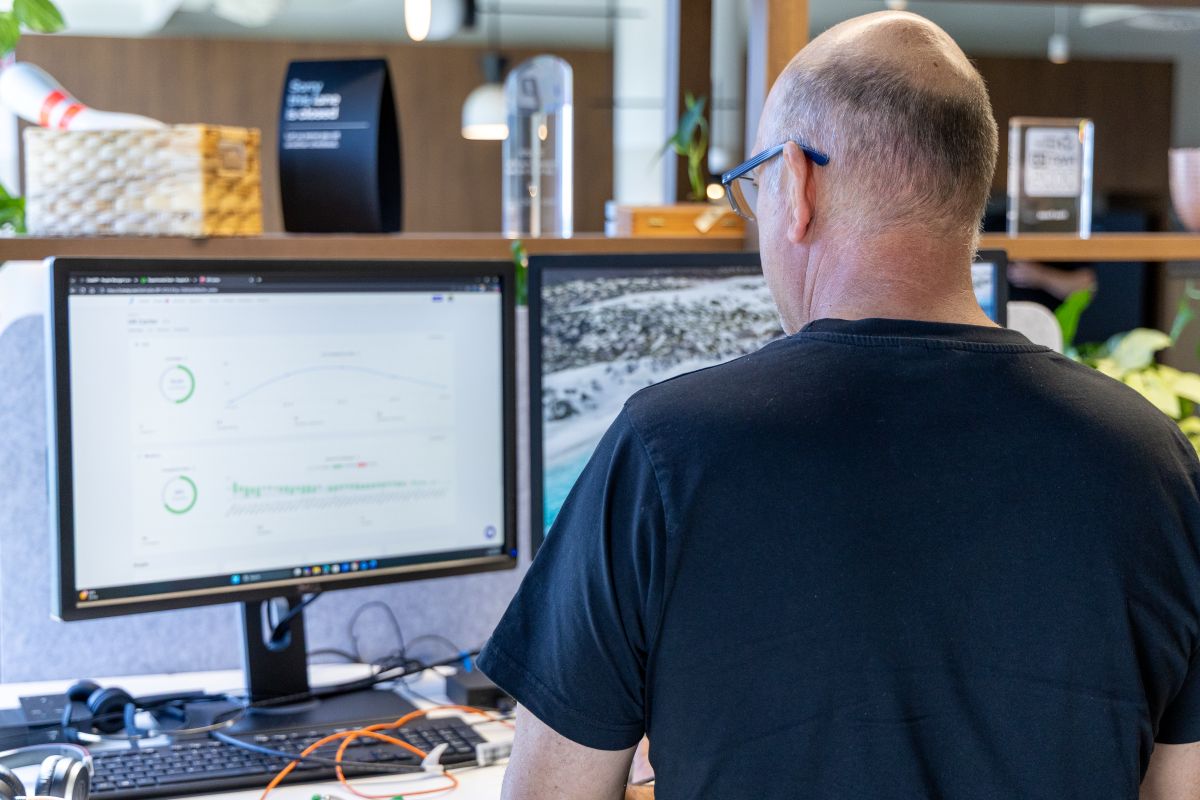
Every business is different, but the problems tend to be similar. Here are some of the most common areas where automation makes a measurable difference.
Employee onboarding and offboarding
Automate account creation, access provisioning, and equipment requests so new starters are set up on day one.
Connecting disconnected systems
Get your business platforms talking to each other so data flows where it needs to without someone copying it across manually.
Data entry between platforms
Replace the manual re-keying of information between systems with automated data transfer that runs in the background.
Approval and sign-off workflows
Move approvals out of email inboxes and into structured workflows with clear ownership, visibility, and audit trails.
Quoting, invoicing, and reporting
Standardise the processes your finance and operations teams repeat every week, reducing time spent and improving accuracy.
Shipping and fulfilment
Automate address validation, packing logic, and dispatch workflows to reduce errors and cut costs across the supply chain.
Different industries, different problems, different starting points. But in each case, the measure of success was the same: did it make a tangible business impact?
High staff turnover meant the onboarding process for new employees was constant and entirely manual. Every new starter required the same series of time-consuming steps, repeated over and over. First Focus automated the onboarding workflow, saving the business over 20 hours per week and freeing up the team to focus on the work that matters most, looking after children and families.
Incorrect customer addresses were causing lost inventory, manual rework, and a poor customer experience. First Focus built an automated address correction solution that catches errors before dispatch. Alongside that, an optimised packing workflow was put in place that matches box sizes to product dimensions, reducing shipping costs and improving accuracy across the fulfilment process.
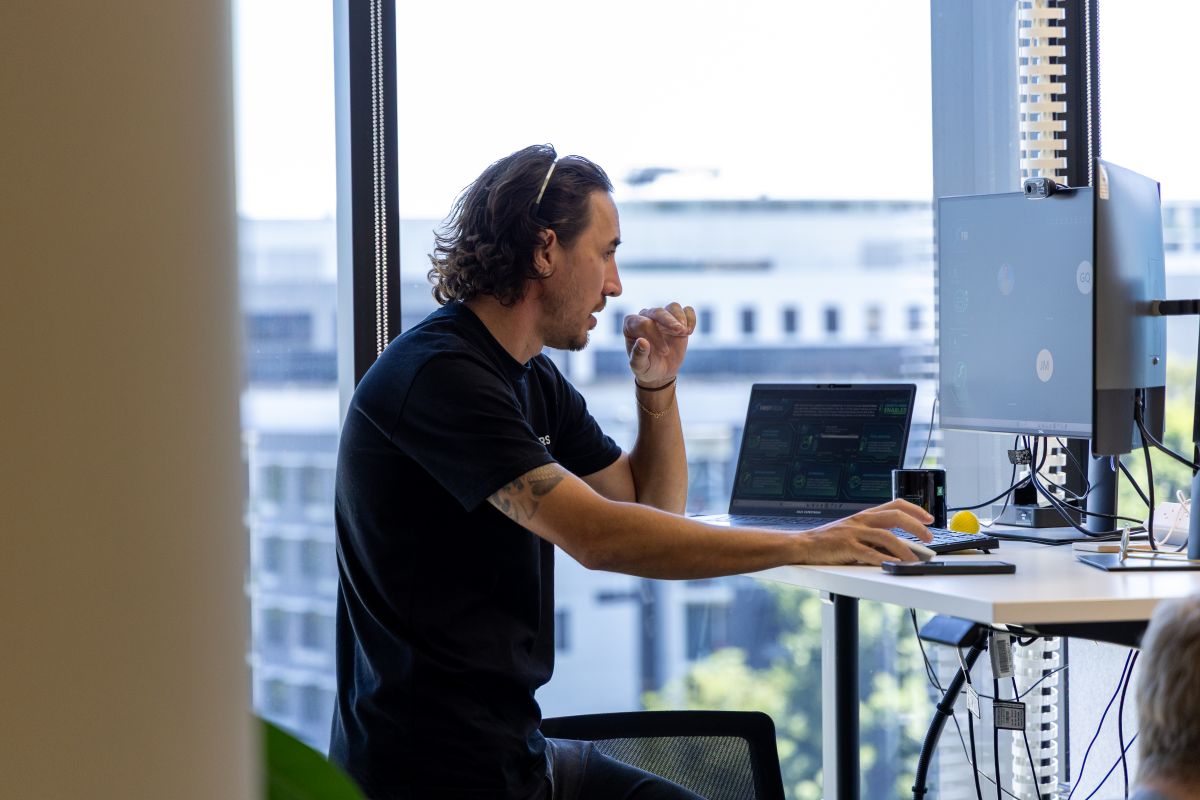
Some businesses don’t just need a one-off automation project. They need ongoing development capacity to keep building, improving, and adapting as the business changes. For those businesses, we offer dedicated resourcing: a developer (or developers) allocated to your business on an ongoing basis.
They learn your systems, your processes, and your priorities. They attend your standups if that’s how you work. And they deliver continuously, not in bursts between other clients.
What dedicated resourcing looks like:
Once one automation is running, the next question is usually “what else can we do?”
CORE is First Focus’ managed IT service, and it includes ongoing automation and AI as part of how your IT is looked after month to month. Instead of scoping a new project each time, it becomes part of the regular rhythm.
A single project is a fine place to start. But if you want automation and AI as a regular part of how your business operates, CORE is designed for that.


You don't need to. The technical side is handled by our team, and the process is designed to work alongside whoever owns IT decisions in your business, whether that's a CFO, an operations lead, or an office manager. You stay across the decisions that matter without having to manage the detail.
That's one of the most common things we hear, and it's usually because the planning wasn't done properly upfront. Our process exists specifically to prevent that. Scope, requirements, budget, and milestones are all defined before any build work starts, so there are no surprises halfway through.
That's actually a normal starting point. Part of the discovery process is mapping how things work today, including the workarounds and tribal knowledge that haven't been written down. You don't need to have everything documented before we start. That's our job.
That's exactly what the planning process is designed to answer. If the opportunities we identify don't translate into a clear return for your business, you'll hear that before any money is spent on building anything. The goal is automation that pays for itself, not automation for its own sake.
The first step is a conversation. We’ll ask the right questions, listen carefully, and give you an honest view of where the opportunities are.
Book a free initial 45-minute strategy session to explore:

 IT Strategy
 IT Consulting
 Data Services
 IT Infrastructure Projects
 IT Procurement
 Business Continuity Planning
 Virtual CIO
 Cloud Migration Services
 Managed IT Services
 IT Support Services
 Managed Cloud Services
 Managed SharePoint Services
 Unified Communications
 Connectivity
 Offshore Staff Outsourcing (BPO)
 Managed Security Services
 ACSC Essential 8
 Cybersecurity Risk Assessment
 Cloud Backup and Disaster Recovery
 Cyber Security Connect and Protect Program
 Automation
 Power BI
 Careers
 Awards and Certifications
 Management Team
 Case Studies
 Sell Your IT Business
 Our Commitment to the Environment
 CSAT Charity Donations
 Media Kit
 Sydney